Q: Is the Apocrypha Part of the Bible?
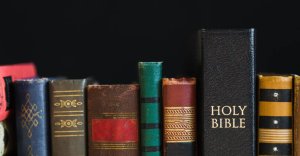
A: The Bible contains 66 books—39 in the Old Testament and 27 in the New Testament. These are called the canon, meaning “rule” or “standard.” The word comes from “reed,” which was once used as a measuring stick.
The Old Testament was completed around the 5th century B.C. and was accepted by the Jewish people as canon by about 100 A.D. The New Testament was written by the apostles in the 1st century A.D. Over a span of about 1,600 years, more than 40 writers from different backgrounds recorded the words of God. Though their roles varied—from kings to shepherds—the message of the Bible is consistent. This consistency exists because the Bible was written through the inspiration of the Holy Spirit, not by human wisdom.
Above all, you must understand that no prophecy of Scripture came about by the prophet’s own interpretation of things. For prophecy never had its origin in the human will, but prophets, though human, spoke from God as they were carried along by the Holy Spirit.
2 Peter 1:20—21
The Preservation of the Bible
Some claim the Bible has changed over time, but that is not true. Jewish scholars called the Masoretes carefully copied the Hebrew Old Testament to preserve it exactly. For many years, the oldest known Hebrew copy was from around 900 A.D. However, in 1947, the Dead Sea Scrolls—written about 1,000 years earlier—were discovered. When compared, both versions were virtually identical, showing that the Bible has been preserved through the ages.
The New Testament was also carefully compiled during the early church. Manuscripts preserved the words and deeds of Jesus, and the early church approved these texts. They were read during worship, ensuring that the teachings and actions of Christ were accurately passed down.
What About the Apocrypha?
The Apocrypha, meaning “hidden,” refers to writings that were not included in the canon. These books were written between the time of the prophet Malachi (around 400 B.C.) and the time of Jesus. The Jewish people never accepted them as Scripture because their teachings were inconsistent with the Bible and their moral standards were lower. Jesus Himself never quoted from the Apocrypha, but He often quoted from the Old Testament books.
In the 16th century, during the Council of Trent, the Roman Catholic Church added the Apocrypha to their Bible. This decision was made in response to the Reformation, when Reformers emphasized faith based solely on the Bible. Even then, several books were left out, showing uncertainty about their authenticity.
The Bible warns not to add to or take away from its words. Only the 66 books inspired by the Holy Spirit make up the true Bible—the unchanging word of God that leads to salvation.
I warn everyone who hears the words of the prophecy of this scroll: If anyone adds anything to them, God will add to that person the plagues described in this scroll. And if anyone takes words away from this scroll of prophecy, God will take away from that person any share in the tree of life and in the Holy City, which are described in this scroll.
Revelation 22:18—19