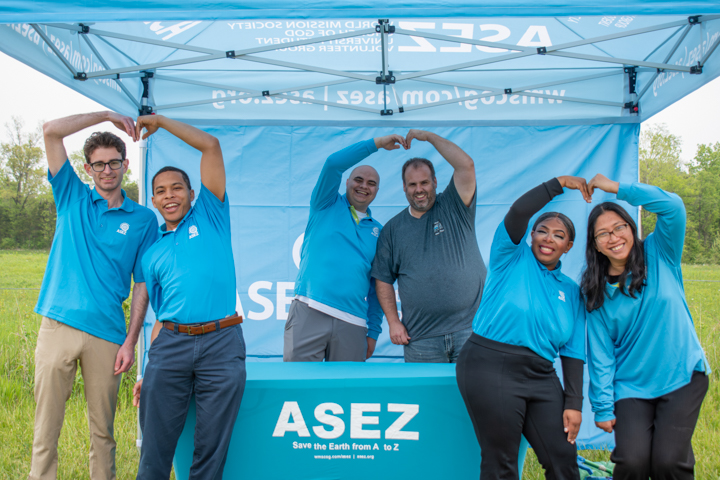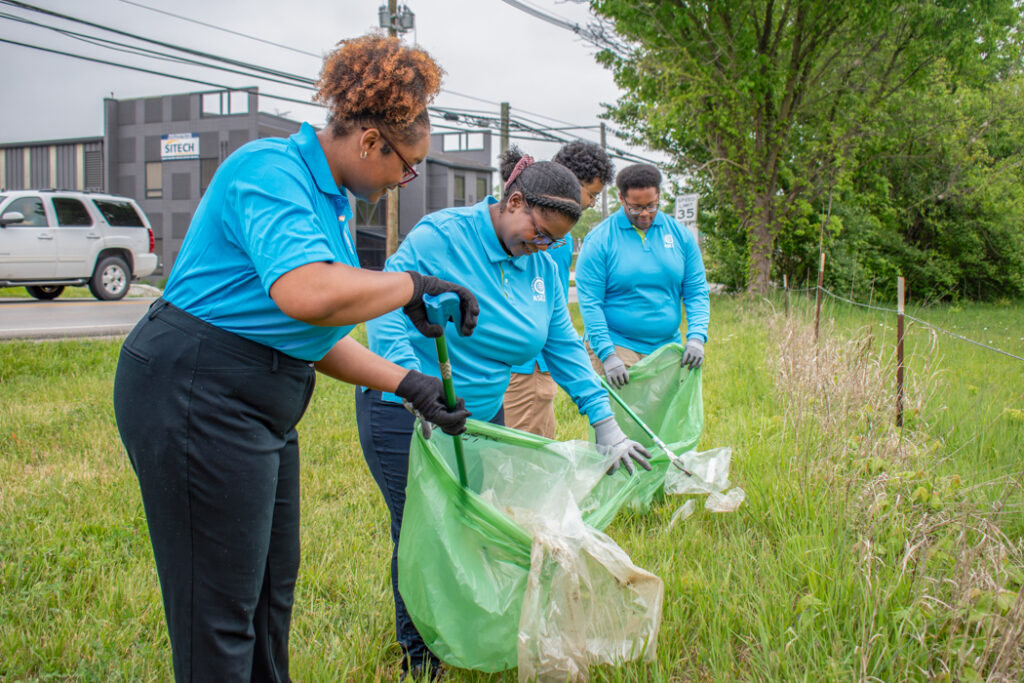
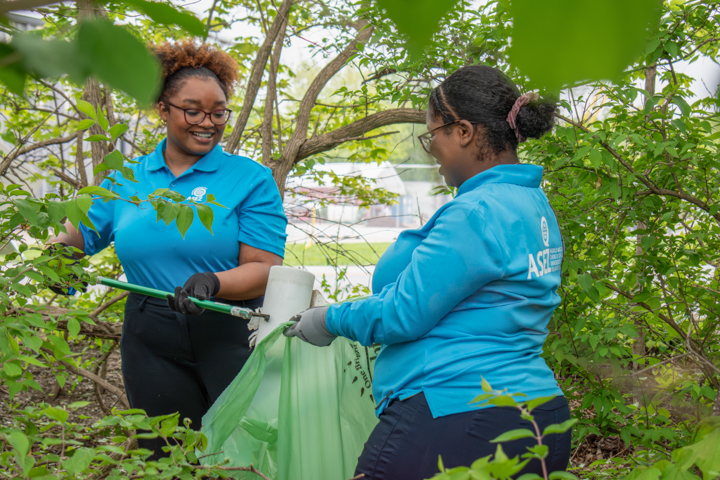
More than 20 ASEZ volunteers joined local officials to clean up litter along North English Station Road in Middletown, working together to make the area cleaner and safer for residents. In recognition of Earth Day, the volunteers collected multiple bags of trash, helping reduce pollution and protect nearby waterways.
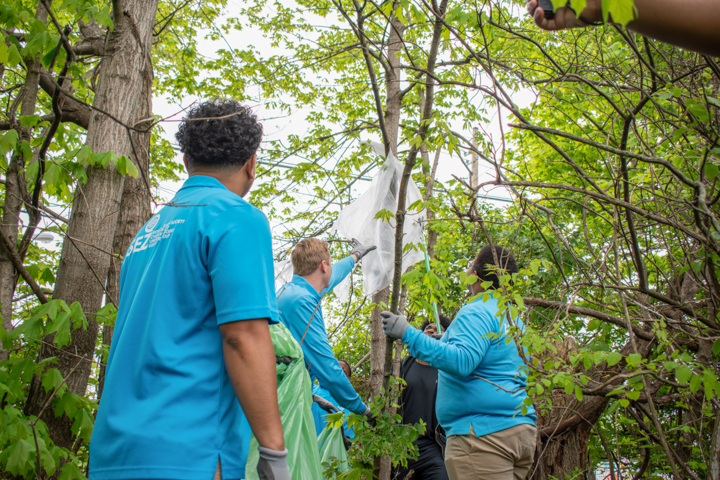
The cleanup focused on practical, hands-on action. Volunteers removed litter from roadsides to prevent waste from washing into local streams and storm drains. By taking part in this effort, participants not only improved the immediate environment but also raised awareness about the importance of responsible waste disposal and sustainable habits.
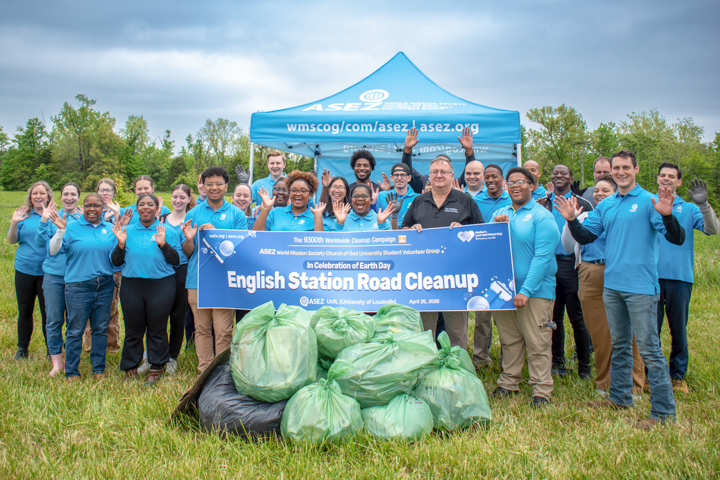
Protecting Local Waterways Along North English Station Road
ASEZ organized the event with a strong focus on long-term impact. In addition to restoring the area, the initiative encouraged ongoing community involvement and emphasized the value of environmental stewardship. By partnering with local leaders, volunteers strengthened their connection to the community and demonstrated how small actions can lead to meaningful change.
Middletown Commissioner Mark Stigers expressed his appreciation for the group’s dedication and service.
“What you’ve done today is a big thing. Thank you for taking your time, for coming out, and helping us. It’s much appreciated and won’t be unnoticed,” he said.
Inspiring Continued Volunteerism
The cleanup also left a lasting impression on the volunteers themselves. Jesee Smith, a University of Louisville ASEZ volunteer, shared how the experience has shaped her perspective. “Volunteering with ASEZ has been a truly rewarding experience. The cleanups and campaigns we carry out are meaningful and heartfelt, and because they take place on a global scale, they have a tremendous impact on the environment. I look forward to continuing my involvement with ASEZ and the Church of God.”
Through efforts like this, ASEZ continues to inspire individuals to take action in their own communities. By working together, volunteers not only protect the environment but also build stronger, more connected communities—one act of service at a time.